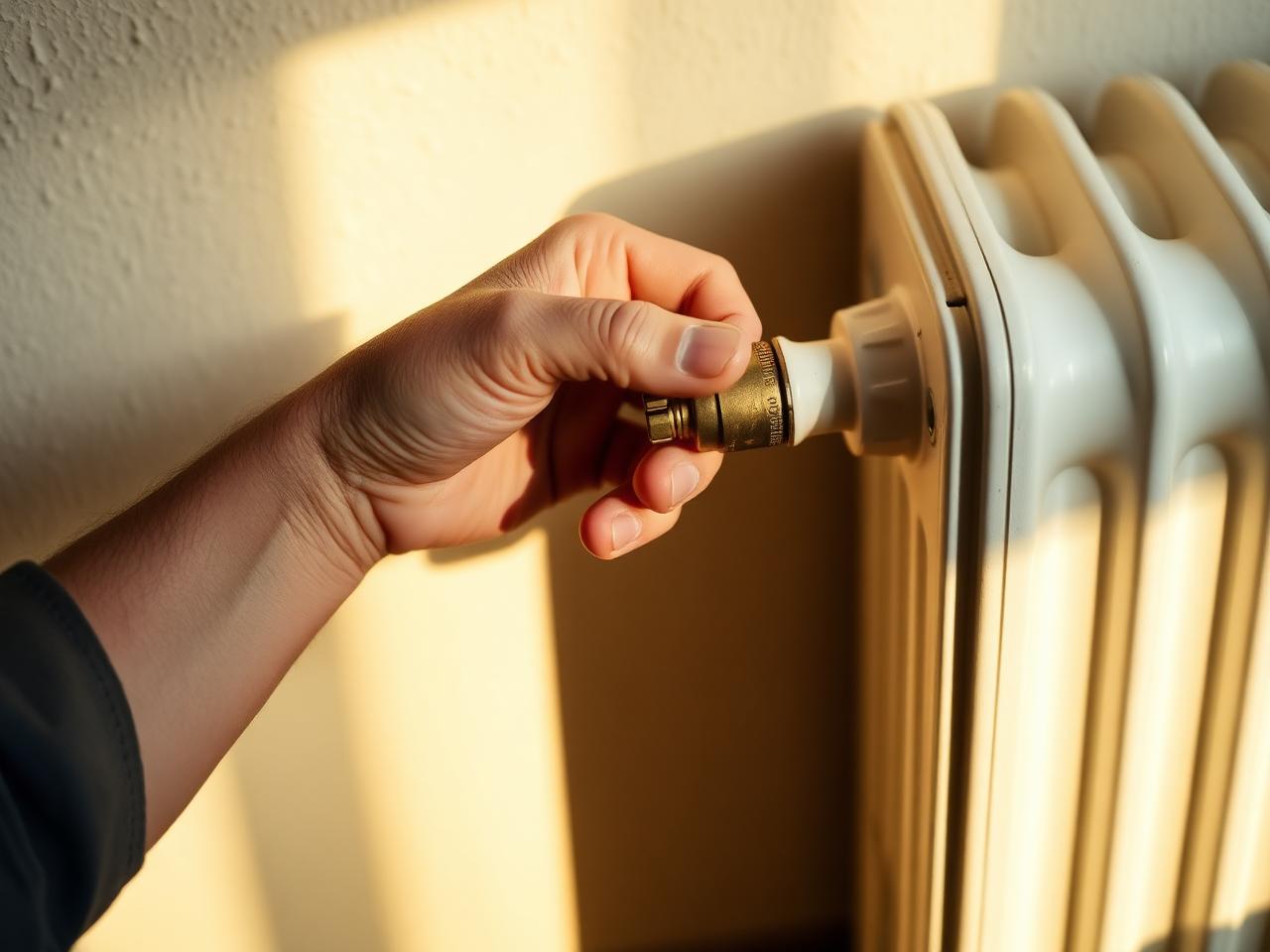
If one radiator remains cold while the others warm up in Canyelles, the cause could involve water circulation, a sticking thermostatic valve or a system needing balancing. Its position in the room does not establish the fault. Barcelona City Council identifies Canyelles as part of Nou Barris, but this geographical fact tells us nothing about an individual property's heating installation. When requesting a heating assessment, explain which radiators work, what the thermostat displays, when the problem occurs and whether the system is private or communal. These details support a useful diagnostic enquiry without suggesting a universal neighbourhood price, an available engineer or a guaranteed appointment.
Describe the symptoms before touching pressurised fittings
Begin by checking whether the thermostat is calling for heat and whether other rooms respond. Describe whether the radiator is entirely cold, warm only in one area or making unfamiliar noises. These signs can guide inspection but do not establish a single diagnosis. Where a normal thermostatic control is fitted, use only its intended settings. Do not remove valves or loosen connections on a pressurised circuit. Note whether the issue followed a change of heating schedule, furniture position, decorating or maintenance. Unusual circuit pressure, dripping at a connection and new noises should be reported before anyone authorises work. In a block with communal heating, clarify which controls and pipes are shared and who may approve changes. A competent assessment may examine circulation, air, valves, pumps and control settings depending on the actual installation. Spain's RITE provides the regulatory framework for thermal installations, not a remote answer to an individual fault. A sensible inspection leads to an explanation of findings and options rather than automatically replacing the first available component.
When professional diagnosis is preferable to experimenting
Seek help if there is water loss, staining around a pipe joint, repeated need to refill the system or several heat emitters failing together. Do not open a bleed point without knowing the system procedure, pressure and possible hot-water hazards. If gas is smelt near a boiler, avoid operating switches or attempting repairs and follow the gas supplier's emergency instructions. One cold radiator does not by itself mean that the boiler needs replacing. Equally, a thermostat showing a high temperature does not prove adequate water flow. For centralised heating, consult the building community before arranging work on common equipment. Insulation, heating schedules and ventilation all affect comfort, but the neighbourhood name cannot establish what kind of building is involved. Accurate symptoms and safe access details are more useful than assumptions about a particular installation type.
Identify compatible parts and test the repaired circuit
Any proposal to replace a valve, actuator, thermostatic head, bleed component or control should be supported by inspection and compatibility information. Record visible brand and model details without taking covers off or interfering with seals. Radiators and pipes can remain hot after the heating has been switched off, so dismantling requires appropriate precautions. Thermostatic adjustment and hydraulic balancing are not the same operation. Air in the system and a partially obstructed radiator also require different approaches and should not be confused without checks. For proposed replacements, request exact part references, the work involved and the warranty. Final testing should include the radiator's response under normal heating operation and a check for leakage. The Catalan Energy Institute's efficiency guidance can inform responsible use, but it is not a diagnostic report or proof that any replacement stock is available.
Compare written estimates on the actual scope
Request separate items for the initial visit, diagnosis, testing, valve or fixing repairs, components, recommissioning, cleaning, taxes and any call-out charge. Assessing thermostat operation differs from draining a section, replacing fittings or working on a shared central system. If inspection uncovers a different problem, ask for an explanation and agree to any increase before extra work starts. The Catalan Consumer Agency provides guidance on written estimates for home services; also establish beforehand whether a quotation that is declined carries a charge. There is no verified fixed radiator-repair rate across Canyelles and no guaranteed response time in this text. Clarify building permissions, protection of flooring and leakage tests. Retain the accepted quotation, invoice, part references and warranty conditions. A clear handover should explain what was corrected, what was tested and which recurring symptoms would justify further attention.
For a heating enquiry in Canyelles, identify the radiator that remains cold, explain how the others respond and report any leaks or pressure concerns. State whether the system is private or communal and share external photographs without dismantling fittings. The quotation should follow diagnosis of the specific circuit.
