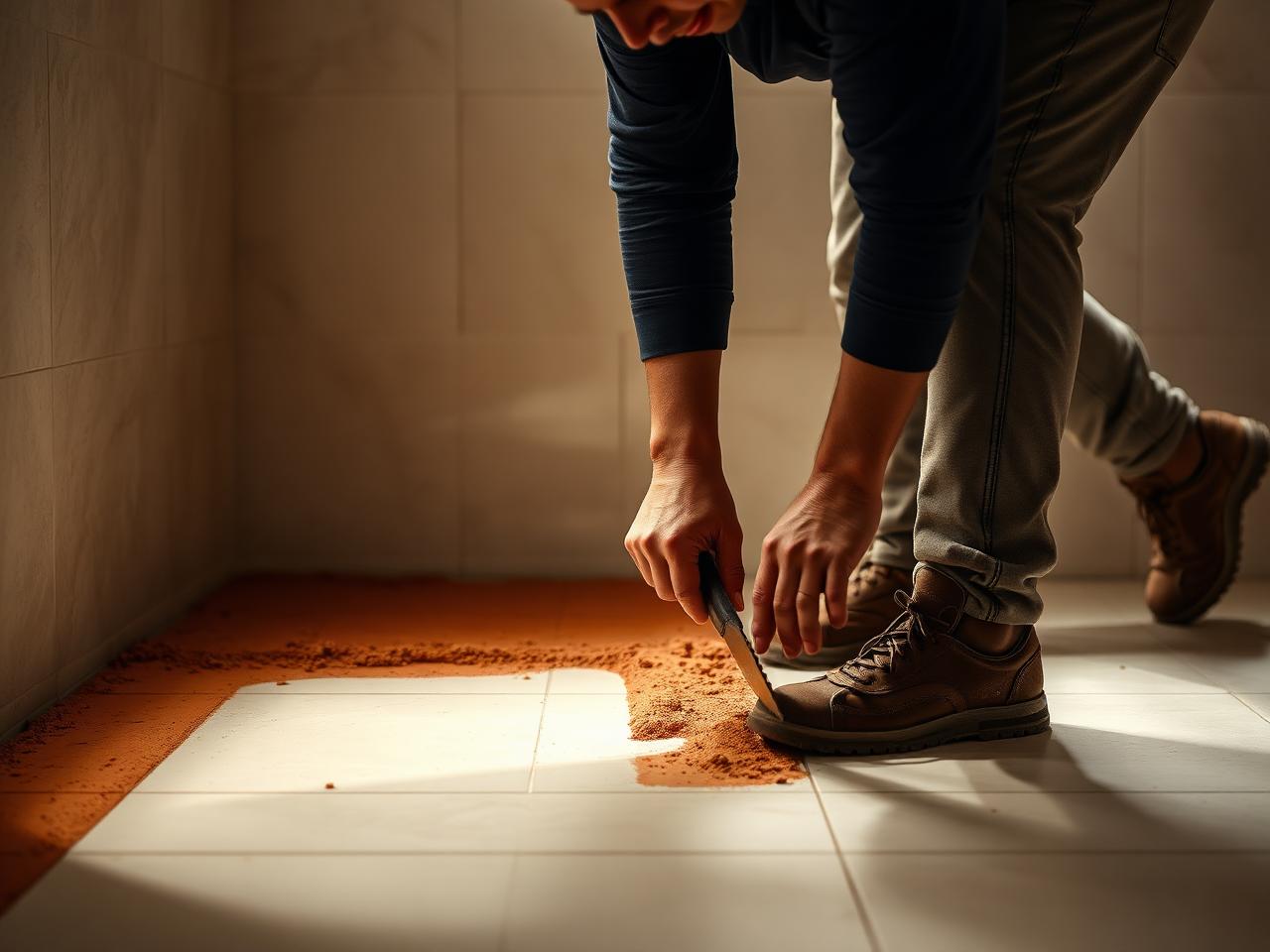
A hairline crack in render, a loose wall tile and a split running through masonry are not the same repair. Before requesting masonry work in La Teixonera, identify the damaged material, when the defect appeared and whether it is changing. Barcelona's municipal data places La Teixonera in Horta-Guinardó district. It does not establish the condition or construction type of any individual property. Take photographs with a scale reference, note whether the crack appears on both sides of a wall, and record any damp patches or doors that have started sticking. Covering a fresh or widening crack with filler may conceal the warning signs without addressing the cause.
Render repairs: investigate moisture before patching
When plaster or render flakes away, the cause may be rain penetration, condensation, a leaking pipe or poor adhesion. Painting over damp material, or adding fresh mortar to a loose surface, can hide the symptoms until the failure returns. A useful inspection identifies how far the damage extends, checks the soundness of the substrate and asks whether the wall becomes wet after rainfall or when plumbing is used. An internal partition, a bathroom wall and a shared external façade require different approaches. Pipes and cables should be identified before chasing or drilling. Ask which loose areas will be removed, how the substrate will be prepared and what drying or curing conditions are required before the finish is applied.
Surface cracks versus signs needing structural assessment
A fine line in paint may affect only the decorative finish. A crack passing through the substrate, widening over time, running diagonally from an opening or appearing alongside deformation calls for closer assessment. Falling material, bulging walls, visible movement or sudden difficulty closing doors are reasons to restrict access and seek competent technical advice. Spain's Building Code sets structural safety requirements. A builder should not present cosmetic filling as a remedy for suspected instability. When describing the problem, give the approximate length, width, position and any changes you have observed. Do not stand beneath loose material to obtain a better photograph. The first decision is whether a surface repair is appropriate or whether a qualified structural assessment must come first.
Tiles, joints and minor blockwork: repair the right layer
One broken tile does not automatically justify replacing an entire wall finish. Check whether neighbouring tiles are hollow or loose, whether the backing is sound and whether water can reach behind the surface. In a bathroom, watertight junctions and the integrity of the waterproofing layer matter more than a perfect colour match. If a partition needs repair, establish whether it is brick, blockwork or plasterboard: mortars, fixings and methods are not interchangeable. Check the dimensions and thickness of replacement tiles or units before ordering them. A cosmetic job must not interfere with a load-bearing wall or cover an access panel needed for building services. Agree which materials can be retained before accepting unnecessary demolition.
Permissions, shared walls and rubble removal
The administrative procedure depends on the work itself. Barcelona City Council provides a preliminary consultation to establish whether a notification or building licence is required. Check the result for the actual property before work starts, and obtain the necessary community consent for shared façades, structural elements or other communal areas. If tiles, mortar or masonry are removed, agree how the waste will be collected and transported. The Catalan Waste Agency has specific arrangements for construction and demolition waste; rubble must not simply be left beside household bins. A quotation that separates diagnosis from decoration Ask for diagnosis, protection of furniture, removal of failed material, substrate repairs, finishing, cleaning and waste handling to be itemised. Clarify what happens if opening the surface reveals a leak or more extensive damage. The Catalan Consumer Agency recommends a written quotation and prior approval of extra charges. At handover, check that no loose pieces remain, the repaired surface is sound and you have been told about curing time and ongoing care. Keep the invoice. A low initial price is not good value if the underlying defect is left untreated.
Describe the crack, damaged render or broken tiles. Provide safe photographs and say whether there is damp or movement. Request a diagnosis and written quotation without assuming a fixed price or structural remedy.
