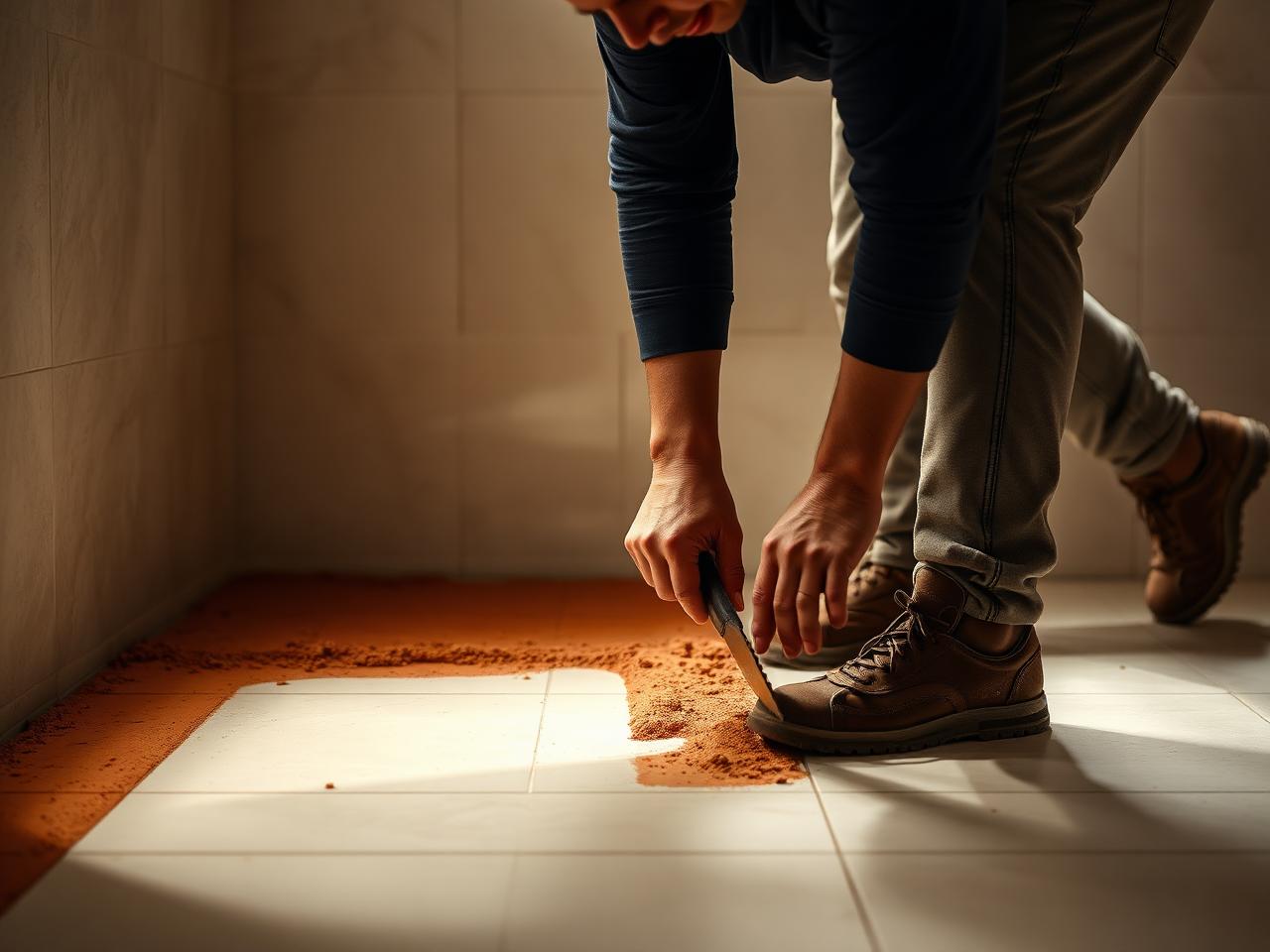
A masonry enquiry in la Salut may involve a loose terrace tile, crumbling grout or a damp mark next to a threshold. These symptoms do not necessarily have one cause. A moving tile may have lost adhesion, standing water may reflect a drainage or fall problem, and indoor dampness may arise from a different junction. When requesting masonry work, explain where the problem appears, whether it changes after rain, whether surfaces sound hollow and whether the area meets a doorway or wall. La Salut describes the neighbourhood served; it does not establish the condition of any particular building. A useful quotation separates visible repairs from the investigation needed to understand moisture.
Identify tile support, drainage and the door junction
Start with observations rather than lifting tiles yourself. A hollow sound may suggest poor adhesion beneath a surface, but it does not prove that the whole terrace needs to be demolished. Cracked grout does not by itself demonstrate failure of the waterproofing membrane below. Photograph where water pools after rain and identify whether it collects beside a doorway, at a corner or near a drain. Inspect accessible drain grilles visually without putting tools into an unknown drainage system. A masonry assessment should consider the substrate, existing layers, finish, perimeter joints, connection with the door and the planned route for surface water. A limited repair can sometimes work if the remaining supporting surface is sound. In other cases the falls, drainage or waterproofing assembly require a broader design review. If the terrace forms part of a shared roof or another communal element, responsibility and professional assessment may involve the building community. The scope should follow evidence from inspection, not an automatic recommendation to replace all floor tiles because a photograph shows a gap.
Recognise trip, falling-object and water damage hazards
If raised tile edges create a trip hazard, pieces are unstable, water is entering the home or deterioration spreads across walls and ceilings, restrict normal use until the condition is assessed. Avoid walking on loose materials or working near exposed elevated edges without appropriate fall protection. Significant cracking, settlement or a visibly distorted railing calls for competent structural evaluation rather than a cosmetic masonry patch. Spain's CTE gives distinct guidance on safety in use, structural integrity and protection against dampness, but those general codes cannot remotely certify a specific terrace. Repairs at a doorway must also retain safe access and avoid creating a new dangerous step. If water reaches the room below, document the visible evidence and coordinate fault tracing with the responsible parties. Applying a surface sealant over an active leak may conceal the stain while leaving the source unresolved.
Specify compatible outdoor finishes and junction protection
Adhesives, grout and waterproofing products are chosen according to whether the surface is ceramic, stone or another material, and according to the substrate, movement, exposure to rain and sunlight, and the manufacturer's instructions. An interior tile adhesive should not be assumed to suit an exterior terrace. Perimeter joints and threshold details must work with the assembly beneath them. A bead of sealant cannot automatically replace a continuous waterproofing layer when one is required. If tiles are removed, the layers should be photographed and inspected before covering them. Changing the finished level may affect drainage, door clearance and the safety of the exit. Cutting and removal should use appropriate dust controls, protection for neighbouring surfaces and responsible waste handling. Do not promise a particular watertight lifetime on the strength of a product brand without reviewing both compatibility and installation.
Separate a small tile repair from a terrace rebuild
Request a written estimate listing inspection, protection of the area, controlled removal, substrate checks, preparation, adhesive and grout, any justified repair of falls or waterproofing, replacement materials, cleaning, waste and taxes. Fixing one accessible tile is not comparable with renewing a full terrace and its water-protection layers. If hidden dampness or loose substrate becomes visible during opening, ask for photographs and agree any additional work before the scope changes. The Catalan Consumer Agency provides guidance on quotations and home-service agreements. Clarify who is responsible for drainage inspection and whether building-community permission is required. No universal price per square metre applies to every terrace in la Salut, and drying or curing times cannot be guaranteed without knowing the selected system and conditions. Completion checks should cover secure finishes and surface-water movement where a safe test is appropriate.
For masonry work in la Salut, provide pictures of loose or cracked tiles, the doorway junction and the place where water collects. Explain whether the problem occurs after rainfall, affects an interior room or causes staining in a neighbour's property. The first objective is a clear scope that distinguishes the surface repair from the moisture source.
