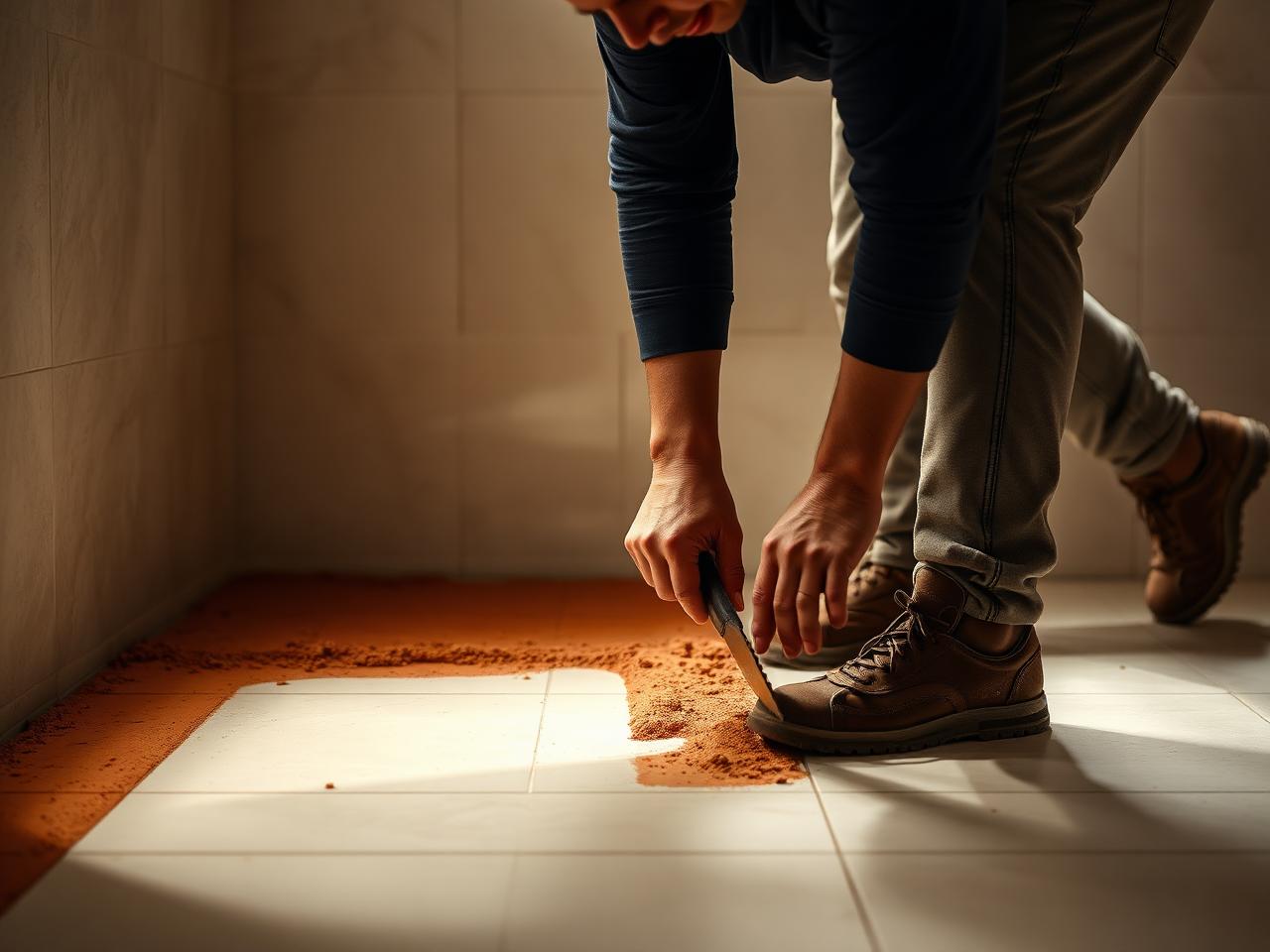
This practical guide covers masonry repairs enquiries in La Barceloneta, a neighbourhood of Ciutat Vella within Barcelona municipality, not the wider metropolitan area. It helps explain loose tiles and cracks in finishes and choose an appropriate assessment. A neighbourhood name cannot establish a property's condition, installation age or access arrangements. No completed jobs, prices, assigned workers or response times are claimed. Each case needs assessment and proper authorisation.
Initial assessment without unsafe work
A hollow-sounding tile does not by itself prove that the substrate is unsafe. Note whether it moves underfoot, has raised edges or shows open grout joints. Avoid using an area that presents a trip or falling-tile hazard. Do not simply glue tiles onto dust or dampness without assessing the base: lasting adhesion depends on a sound, compatible substrate. To prepare an enquiry, describe the main symptom, when it started and what changes when the item is used. Say whether one room, the whole property or a shared area is affected without asserting an unverified cause. Provide photographs taken safely: a wider view and a visible detail are often more useful than pictures of dismantled parts. Never handle electrical wiring, gas, dangerous glass or high-level equipment for a photograph. Where people face immediate danger, prioritise safety and appropriate emergency services.
Distinguishing symptoms and possible causes
Fine cracks in plaster need distinguishing from movement affecting other building elements. Photograph the crack with a size reference and record whether it changes. If it crosses different materials, grows or accompanies distortion, seek competent technical assessment before filling it. Painting over an active crack does not remove its cause. Where finishes detach near damp areas, investigate the moisture source first. Do not close up a wet wall without distinguishing leakage, condensation and other possibilities. The quote should separate removal of unsound material, substrate repair, waterproofing where appropriate and replacement finish. Materials depend on actual conditions and intended use.
Safety, access and technical decisions
Access arrangements in La Barceloneta must be checked for each address. State whether work involves a courtyard, roof, shop, neighbouring property or shared area, and who can authorise entry. In rented premises, clarify who can approve the work. Report only access restrictions you have actually checked. A local page does not promise immediate availability. Before chasing into walls, establish whether services are concealed and who can authorise work to shared elements. Agree on dust protection, waste removal and cleaning without assuming easy building access. Define the repaired area and expected finish. The neighbourhood cannot establish wall construction or the seriousness of a crack.
Repair options and final checks
Request a written quotation identifying the provider, operations, labour, parts, possible surcharges and relevant conditions. The Catalan Consumer Agency explains that additional work increasing the agreed cost must be communicated for consideration. Do not approve extensive replacement based solely on a suspicion. Ask what completion tests will be carried out and retain the quotation, invoice and correspondence.
For a masonry repairs enquiry in La Barceloneta, describe the fault, attach only safe photographs and clarify access permission. Sending a form does not book a visit, fix a price or guarantee availability.
