How we work
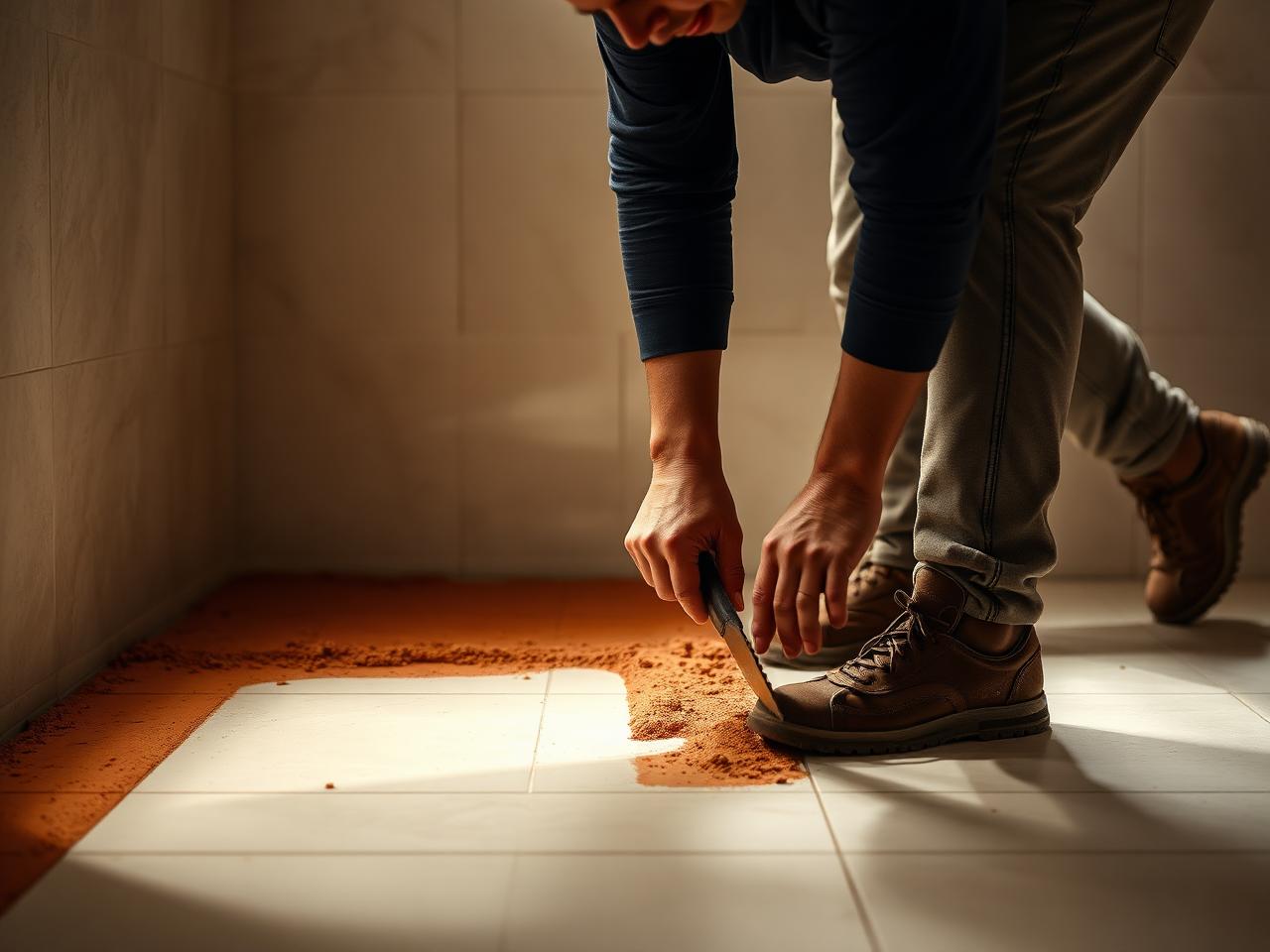
The third step is applying the final coat of paint. For large facades, we use airless sprayers for a fast, uniform finish. For terraces and detailed areas, we use high-quality rollers. We always apply two cross-coats (the first vertically, the second horizontally) to ensure even coverage without brush marks. The first step is diagnosing the substrate. If the existing paint is well-adhered, we cover it. If it's flaking, we remove it entirely with a scraper and sander, leaving the surface clean. If there are structural cracks (not superficial), we treat them with elastic filler that accommodates minor building movement without re-cracking. If there are saltpetre stains or white efflorescence, we remove them with a specific chemical product and neutralise before painting. The second step is priming. We apply a specific, penetrating sealer that creates a uniform base for the final paint to adhere to. Without the correct primer, the final paint may not bond well and could flake off prematurely. This is the step most often skipped in quick repaints, but it has the biggest impact on durability.