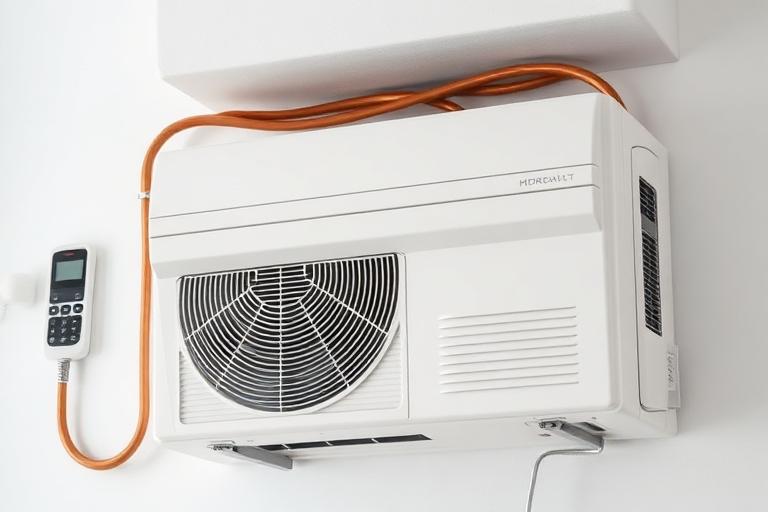
In Sant Antoni, an air-conditioning enquiry may concern a dripping indoor unit, a bedroom that never reaches the selected temperature or noise from an outdoor condenser. Separate the symptom from its cause: poor cooling does not automatically mean the system needs more refrigerant. Record the make, model, approximate age, error code and whether the issue occurs in cooling, heating or both modes. Check only user controls described in the manual. Do not remove covers, touch wiring or open the refrigeration circuit. The actual room layout and orientation matter more than a generic promise about the capacity of a new machine.
Assessment and options
Start by distinguishing a settings problem, safe user maintenance and a fault requiring measurements. Note the target and observed temperatures, running schedule, water beneath the indoor unit and any new noise. A dirty filter can reduce airflow, but a blocked drain, faulty sensor or poor installation requires different tests. Avoid repeatedly restarting a unit that refuses to run. For replacement, consider each room's heat load, windows, shading and occupancy. Copying the old unit's nominal output may reproduce the original comfort problem. Ask the assessor to explain which measurements support or rule out each possible cause rather than proposing parts by guesswork.
Safety and responsibilities
Stop using the appliance and seek competent assessment if you notice burning smells, sparks, overheating wiring or water near electrical connections. For noise complaints, record when the sound occurs and where it is heard before assuming the compressor is responsible. If the issue concerns common building equipment or shared areas, contact the building manager. Tenants should document the problem and clarify responsibilities before authorising work. For comfort improvements, compare shading, ventilation and controls as well as replacement equipment. No one can determine the condition of a particular installation merely from its neighbourhood address.
Components and compatibility
Indoor and outdoor unit positions affect noise, condensate drainage, pipe routes and future maintenance. In a Sant Antoni apartment building, check the relevant community rules and planning requirements before proposing fixings to a façade, courtyard or roof. Do not assume every visible location is permitted. The proposal should address safe drainage, insulated pipework and access for servicing. Spain's Royal Decree 115/2017 sets certification requirements for handling fluorinated gases; verify the qualifications required for the specific task. A bracket that looks suitable is not a substitute for assessing loads, vibration and fixings.
Clear quotation
Ask for a written quotation separating attendance, diagnosis, cleaning, repairs, replacement parts, removal and final testing. A new installation quote should identify the proposed model, justified capacity, unit locations, pipe routes, condensate arrangements and any outstanding permissions. Agree how unexpected changes to the route or mounting position would be priced and authorised. The Catalan Consumer Agency explains written estimates and how additional charges should be communicated. This page makes no invented price, arrival-time or availability claims for Sant Antoni. Compare warranty terms and the commissioning documents to be provided.
For an assessment in Sant Antoni, specify whether the system is a single split, multisplit or another arrangement, the affected rooms, symptoms, error codes and photographs taken without opening the appliance. Mention whether an outdoor unit already exists and where it is installed. For a new installation, explain whether you own or rent the property and whether community permission has been considered. Request a record of tests, uncertainties and recommended work. Distinguish what can be assessed from the information supplied from what requires an on-site inspection.
