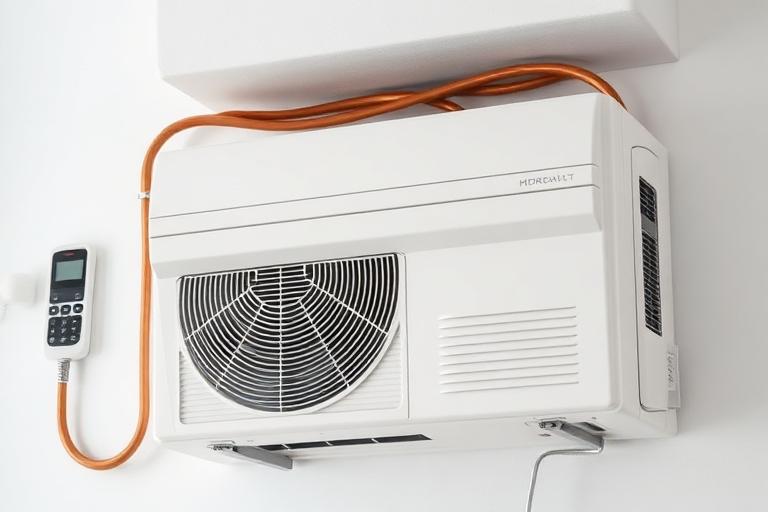
An ageing air conditioner in El Turó de la Peira may cool unevenly, need repeated repairs or use more electricity than expected. Replacement might make sense, but age alone does not establish a fault. It is important to distinguish a repairable component from incorrect sizing, poor condensate drainage or air distribution that was unsatisfactory from the original installation. For an enquiry, gather the make, model, a photograph of the rating plate, approximate room sizes and the problem you want solved. A neighbourhood name cannot establish the insulation, orientation or cooling load of a particular home. Any recommendation should respond to the actual property and how the rooms are used.
Assessment before work
Before selecting equipment, explain whether you need cooling only or heating too, which rooms are occupied and when discomfort occurs. A technical assessment can consider glazing, shading, occupancy, ventilation and possible pipework and cable routes. Choosing capacity from floor area alone may produce a poor match. If existing lines are to be reused, their diameter, condition, insulation and compatibility with the new manufacturer's requirements must be checked. Do not open refrigerant valves or pipework yourself: recovery and commissioning require appropriate procedures. Ask for the reasoning behind the proposed capacity rather than accepting a model number without explanation.
When to request an assessment
A faulty remote, dirty filter or repairable fan does not automatically justify replacing the whole unit. A confirmed major failure, a recurring properly diagnosed leak or unavailable spare parts may change the comparison. If a breaker trips, wiring appears damaged or there is a burning smell, switch off safely and do not restart before an assessment. Ask which tests separate an appliance fault from an installation defect. A recommendation to replace should explain the alternatives, their limitations and likely scope, rather than relying solely on the age of the machine. A photograph cannot replace a fault diagnosis.
Materials and compatibility
A complete proposal should cover brackets, vibration isolation where needed, insulated lines, trunking, suitable electrical supply, condensate discharge and safe maintenance access. Moving an outdoor unit on a façade, courtyard or shared roof may require checking community rules and permissions first. Spain's RITE sets requirements for thermal installations within its scope; it does not itself authorise work on shared property. Ask which existing materials will remain, what will be replaced and how the old equipment will be removed. A photograph of the space does not prove that a new unit fits or that drainage is adequate.
Quotation and final checks
Request a written quotation naming the exact make and model, proposed capacity and reasoning, old-unit removal, installation, expected pipe runs, materials, electrical work, drainage, commissioning and final tests. Separate the appliance price from labour, specialist access and potential repairs to brackets or surfaces. A headline price may exclude essential work. The Catalan Consumer Agency recommends clear quotations and agreement before extra charges. Ask about warranty terms, documentation and the final invoice. Compare the scope and commissioning evidence of competing offers, not just their advertised prices. Mention any existing noise or water problems you need the replacement to resolve.
Describe the system and fault to request a written assessment without assumed prices or arrival times.
