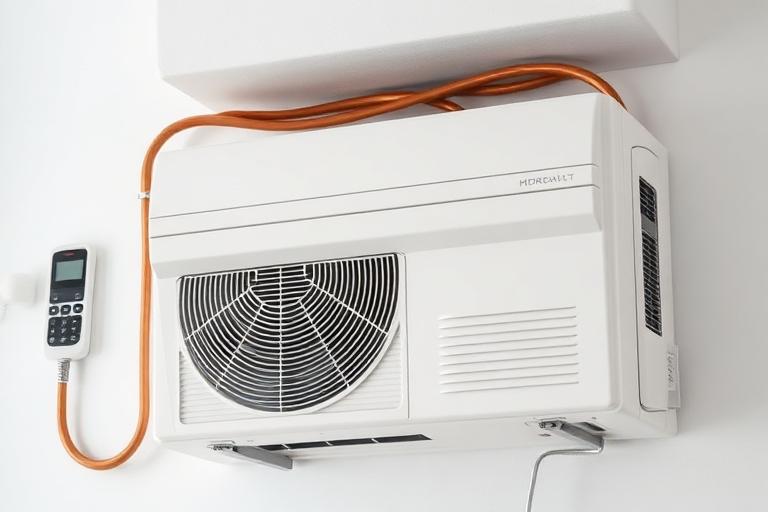
In El Guinardó, an air-conditioning enquiry should begin with the symptom rather than an assumption about the neighbourhood. A unit that cools poorly, one dripping indoors and one stopping with an error code call for different checks. Record the make and model from an accessible label, approximate age if known, rooms served, when the problem began and any recent changes. A property's cooling load cannot be inferred from its address: orientation, glazing, insulation, occupancy and ventilation matter. Before ordering a replacement, ask whether a proper diagnosis could identify a proportionate repair instead of changing an otherwise serviceable system.
Diagnosis and checks
Fault-finding should distinguish airflow, heat exchange, condensate drainage and the refrigerant circuit. A blocked filter can restrict airflow, but a dirty coil, failed fan or incorrect setting may produce similar symptoms. Water beneath an indoor unit calls for an examination of the drain route and fall; it does not automatically mean refrigerant is escaping. If cooling stops after a period, record the delay, any frost, unusual sounds and displayed codes. Do not open electrical covers or handle refrigerant pipework. Ask the contractor which measurements support the diagnosis and how the results will be recorded after any work.
Safety and maintenance
Spain's RITE sets requirements for the design, execution, use and maintenance of thermal installations according to the work involved. Refrigerant handling and specialist interventions are not safe DIY activities. If you notice burning smells, water near electrical parts or an insecure outdoor mounting, stop using the equipment when safe and seek competent advice. Never bypass sensors or pour improvised chemicals into a drain. For ordinary user cleaning, follow the manufacturer's permitted instructions and avoid removing protective covers. Photographs should be taken from safe positions; do not lean out of windows to inspect exterior fixings.
Position, materials and permissions
For a split-system installation in an El Guinardó flat, the outdoor unit's position needs more than a convenient wall. Maintenance access, secure mounting, vibration, noise, condensate discharge and the pipe route all matter. A façade, internal courtyard, roof and balcony may be subject to different building and planning conditions. Check communal approvals and the relevant municipal works procedure before drilling or fixing brackets. Request a drawing showing both units, refrigerant lines, electrical supply and drainage. Capacity should follow a reasoned assessment of the rooms; oversized equipment does not automatically fix poor airflow or inadequate insulation.
Comparing quotations
Compare quotations with separate entries for investigation, cleaning or repair, equipment supply, brackets, pipework, drain, electrics, access arrangements, removal of the old system, commissioning and documents. Ask what tests are included, how operation will be checked and who handles discarded equipment. For a proposed replacement, obtain the precise model reference and warranty terms. A headline price without a surveyed pipe route or access requirements can conceal important costs. The appropriate solution depends on the individual property, not a supposed fixed neighbourhood rate. Require approval before unexpected additional work is carried out.
For a useful enquiry, collect the rating-plate details, photographs of the units' positions, a symptom timeline and a description of the rooms. Explain whether you rent the flat and whether the proposal affects the façade or shared parts. Ask whether the quotation covers municipal consultation where needed, protection of finishes, clean-up and final checks. If replacement is proposed, request a technical comparison with repair. This guide helps you make decisions about air conditioning in El Guinardó; it is not a property inspection and does not promise a particular contractor, price, response time or outcome.
