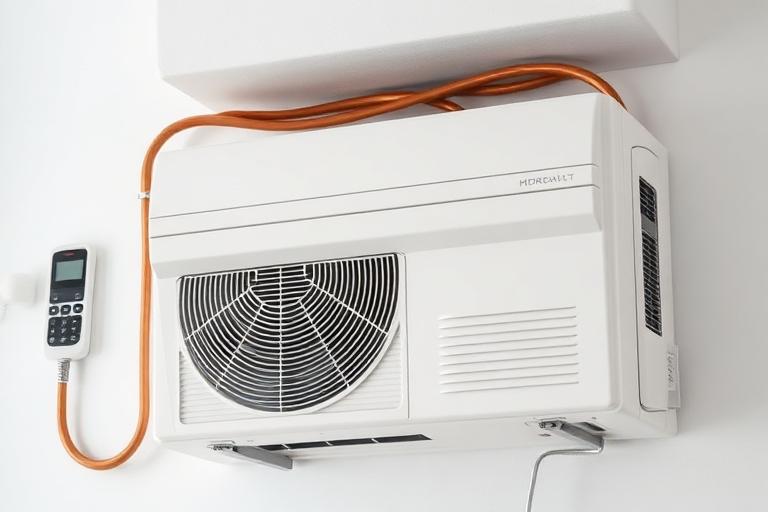
For air conditioning in El Carmel, start with the room and how it will be used rather than a catalogue model. Note approximate floor area, orientation, sun exposure, occupancy and whether cooling, heating or both are needed. The neighbourhood has sloping streets, so access and deliveries deserve planning, but this says nothing certain about a particular building. Record stairs, lifts, courtyards and unloading arrangements. Check for existing pipework and photograph possible indoor and outdoor unit positions. Never assume a façade, courtyard or roof can accept an outdoor unit without considering building rules and the relevant municipal procedure.
Diagnosis and checks
Before sizing equipment, ask about heat loads, insulation, glazing, solar gains and ventilation. An oversized unit does not automatically improve comfort, while an undersized one may fail to meet demand. For bedrooms, discuss operating noise and airflow direction. Where several rooms are involved, compare separate units with other arrangements, including pipe routes and future maintenance. Spain's RITE regulation addresses safety and efficiency of building thermal installations, with requirements depending on the work. A cooling-capacity figure without an explanation of the assumptions is not a proper survey. Ask how the proposed system will perform under normal occupancy.
Safety, permissions and maintenance
Before drilling a façade or changing shared elements, consult building management and check Barcelona's preliminary works procedure where applicable. Roofs and elevated courtyards require professional access safeguards; do not climb up to take measurements yourself. Persistent odours, water near electrical sockets or unusual noise warrant assessment, and electrical danger means stopping use pending competent advice. Maintenance should consider filters, drainage, heat exchangers and safe access. For an ageing unit, compare repair and replacement in terms of efficiency, parts availability and installation work, not only the initial price.
Materials and installation decisions
Indoor dripping does not necessarily mean the refrigerant is low. A blocked drain, incorrect fall, condensation on poorly insulated pipework or dirt may be responsible. New noise can come from vibration, brackets or fans; reduced cooling can have several causes. Record when it occurs, the selected temperature, error lights and any visible water. Do not open the refrigerant circuit, handle refrigerants or climb to an outdoor unit at height. Ask for a diagnosis before agreeing to a refrigerant top-up. Adding refrigerant without investigating a suspected leak may leave the underlying problem unresolved.
How to compare quotations
Compare quotations that separate equipment, proposed capacity, mounting brackets, pipe length and insulation, condensate drainage, electrical supply, drilling, protection of finishes and commissioning. Ask where the condensate will discharge without affecting neighbours or the public space. In courtyards, consider noise transmission and future access. Special access equipment should appear as a justified item only when necessary. Request written manufacturer and installation warranty terms. A headline figure that omits essential materials or making good is difficult to compare. Ask which assumptions could change the scope after the initial survey.
To prepare an enquiry in El Carmel, provide a simple sketch, room photographs, possible unit positions, approximate dimensions, hours of use and any known building restrictions. For a fault, record the make, model, error code, onset, cleaning history and whether there is water or noise. Ask why each position is recommended and which checks will be carried out at commissioning. Do not authorise façade alterations or refrigerant work without a diagnosis and clear terms. This guide does not establish whether a particular flat can be fitted, nor does it promise prices, availability or arrival times.
