How we work
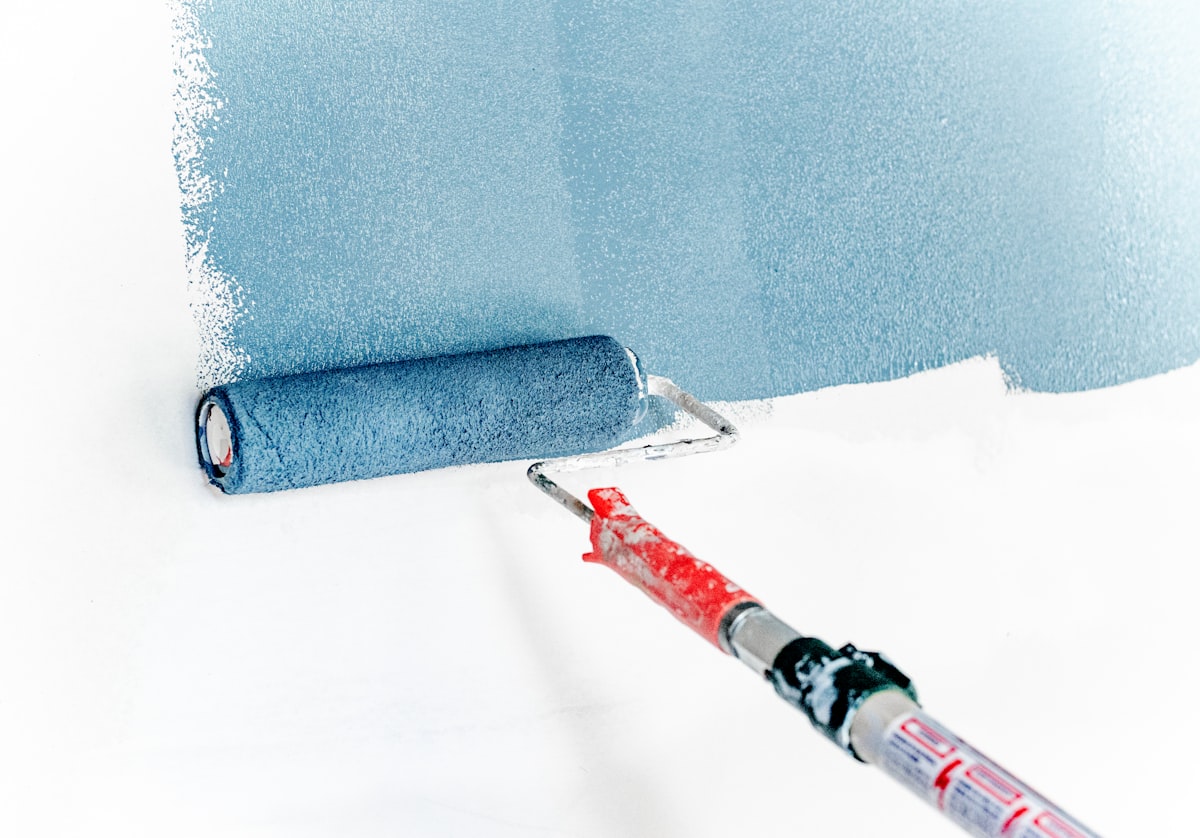
Before the Civil War, La Font de la Guatlla also grew along the Gran Vía. A chocolate factory and two light and bulb factories (Lámparas Z, on Carrer de Mèxic, and Trèbol) were installed there. The enriched ragman Pau Forns built six blocks of flats between numbers 272 and 282 on Gran Vía, still known as Cases del Drapaire (ragman’s houses). After the war, the rural atmosphere of the neighbourhood gradually faded. In 1949, the parish of Santa Dorotea was erected on an old wheat field. At the same time, characters such as the cheesemonger, the furrier, the sock seller, or the pine nut vendor, who sold five cents worth of pine nuts to children while telling them a story, gradually disappeared. Furthermore, the nine streets built climbing up towards Montjuïc were named after flowers: Dàlia, Gessamí, Crisantem... From such a secluded and small neighbourhood, the associative tradition is surprising. In 1889, the first leisure organisation, Els Hereus, was created on Carrer de Sant Fructuós. And a year later, El Recreo, next to an inn on Carrer d'Amposta. In 1910, the choir La Nova Lira d’Hostafrancs was founded, also on Carrer de Sant Fructuós. Two years later, another entity, Panxeta, was born on Carrer del Rabí Rubèn. Much of this activity was generated by the workers of the two large factories that settled in the neighbourhood, following the example of Emili Clausoles' gas factory, located on Gran Vía. Choosing a team of professionals is essential to achieve exceptional results. With a focus on customer care and quality workmanship, we ensure that every stage of the smoothing process is handled with precision. Our experience and commitment set us apart in the market, making the choice easier for those seeking quality service and finishes in La Font de la Guatlla.